











Earlier this week, the market braced for dim news from Kering’s first-half results: Reports of falling US sales at LVMH bore worrying signs for its smaller rival, which had leaned heavily into the market over the past two years, and where sluggish momentum at flagship brand Gucci showed few signs of turning around.
In the end, an unexpected tie-up with Qatari fund Mayhoola that will see Kering acquire 30 percent of Valentino stole the spotlight: The French luxury giant will pay €1.7 billion ($1.9 billion) for the stake, with an option to buy 100 percent of the Italian couture house by 2028. Meanwhile, Mayhoola, which also owns Balmain and Pal Zileri, could end up becoming an investor in Kering as part of a broader partnership, the group said.
Markets responded as well as could be expected: Kering’s shares were down 2 percent Friday afternoon, a relatively muted response to flat sales at Gucci and a 23 percent drop in group revenue in the US (compared to 1-2 percent declines at LVMH, Prada and Richemont).
In a two-hour call Thursday, analysts grilled Kering — which is fending off pressure over its sluggish growth from activist investor Bluebell — on the rationale for the deal, as well as a recent executive shakeup and the status of Gucci’s turnaround push.
The deal opens up new opportunities for the French group, whose flagship brand was in swatting distance of overtaking Louis Vuitton just a few years ago, but has fallen far behind since the pandemic. It also opens fresh questions about plans for the future structure of Kering, Mayhoola and Valentino — and what that could mean for the fashion industry.
Why Is Kering Interested in Valentino?
A minority stake in Valentino (whose 2022 sales equalled €1.4 billion) will hardly move the needle for Kering: the group’s bigger priority is getting its plan to take ultra-profitable Gucci from €10 billion to €15 billion in revenue back on track.
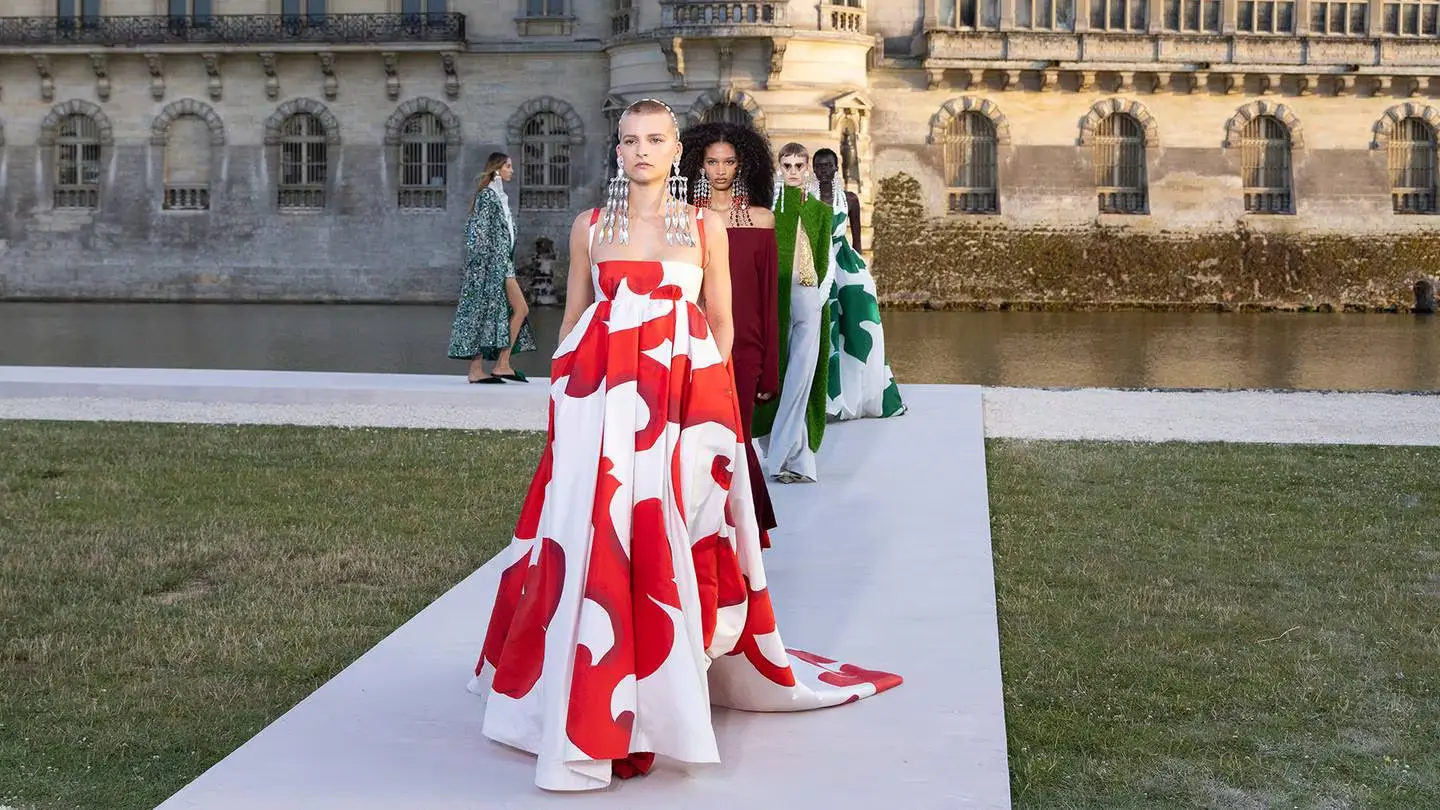
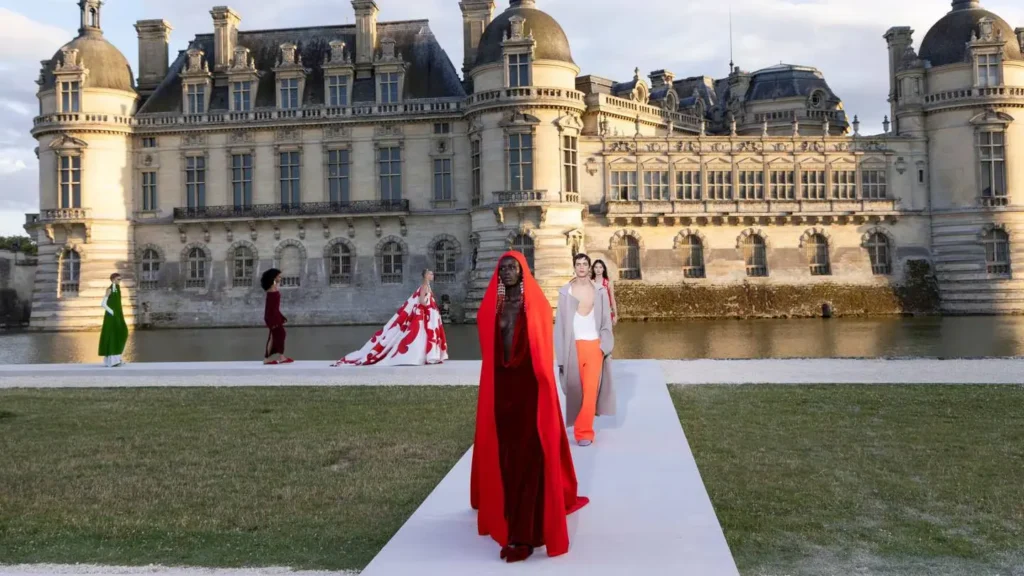
Still, as Kering said, Valentino is “highly complementary.” If a fashion-forward, decadent spirit is baked into Gucci’s codes — lending itself to funky nostalgia at times and kinky sexuality at others — Valentino has a softer, more timeless take on romance and femininity. As Italy’s most established couture house, it commands a top-end client base and is less exposed to aspirational luxury shoppers who have pulled back from splurging on Balenciaga hoodies and Gucci belts in recent months.
The deal also marks a handsome play in Kering’s turf war with sector leader LVMH, which has hoovered up market share from rivals since the pandemic.
What Will the Deal Mean for Valentino?
Valentino’s CEO Jacopo Venturini (formerly Gucci’s chief merchandiser) and creative director Pierpaolo Piccioli (who joined the company in 2008 and has been its sole creative chief since 2016) have successfully elevated brand awareness and fuelled a robust trade in pricey ready-to-wear. Sales rose 15 percent to €1.4 billion last year, with EBITDA of €350 million, even as the brand worked on cutting wholesale exposure and phasing out its junior line “Red.”
But Valentino continues to struggle to bridge the gap between its best-in-class haute couture operation and the broader business. Ladylike pillars of the brand’s commercial offer, including Rockstud handbags and V-logo belts, signal status in certain circles, but don’t quite capture the timeless romance and otherworldly perfection suggested by Piccioli’s made-to-measure outings.
Kering has a track record of focusing brands’ messages. During its successive reboots of Saint Laurent, Gucci, Balenciaga and Bottega Veneta, the group honed a playbook for fashion houses to punch above their weight with ultra-coherent communication, collections and store concepts. While Venturini and Piccioli have worked hard to harmonise the brand’s output in recent seasons, there’s still more efficiency to be gained by aligning the brand’s business and audience more closely.











+ There are no comments
Add yours